Bird Works is a design practice focused on helping move ideas forward.

Not every project begins with a clear brief, a fixed budget, or a defined end point. Many start with partial information, competing priorities, or just a sense that something could be better than it is.

Bird Works is interested in that early, uncertain phase, where asking the right questions and understanding constraints can make a meaningful difference in what comes next.

Their work includes renovations, installations, exhibitions, ground-up construction, design studies, and self-initiated projects. Some projects have been built, others remain proposals or exploratory work. What connects them is an emphasis on thoughtful planning, clear decision-making, and moving forward, one step at a time.

Each project is understood as a moment in a longer process. Some result in built work. Others help clarify direction, test ideas, or set the groundwork for future work. Success is measured less by construction and more by whether the work helped someone move forward with greater clarity and confidence.

Projects can range from focused studies and early planning to full design and construction administration services, depending on what’s most useful at a given moment in a project’s timeline.


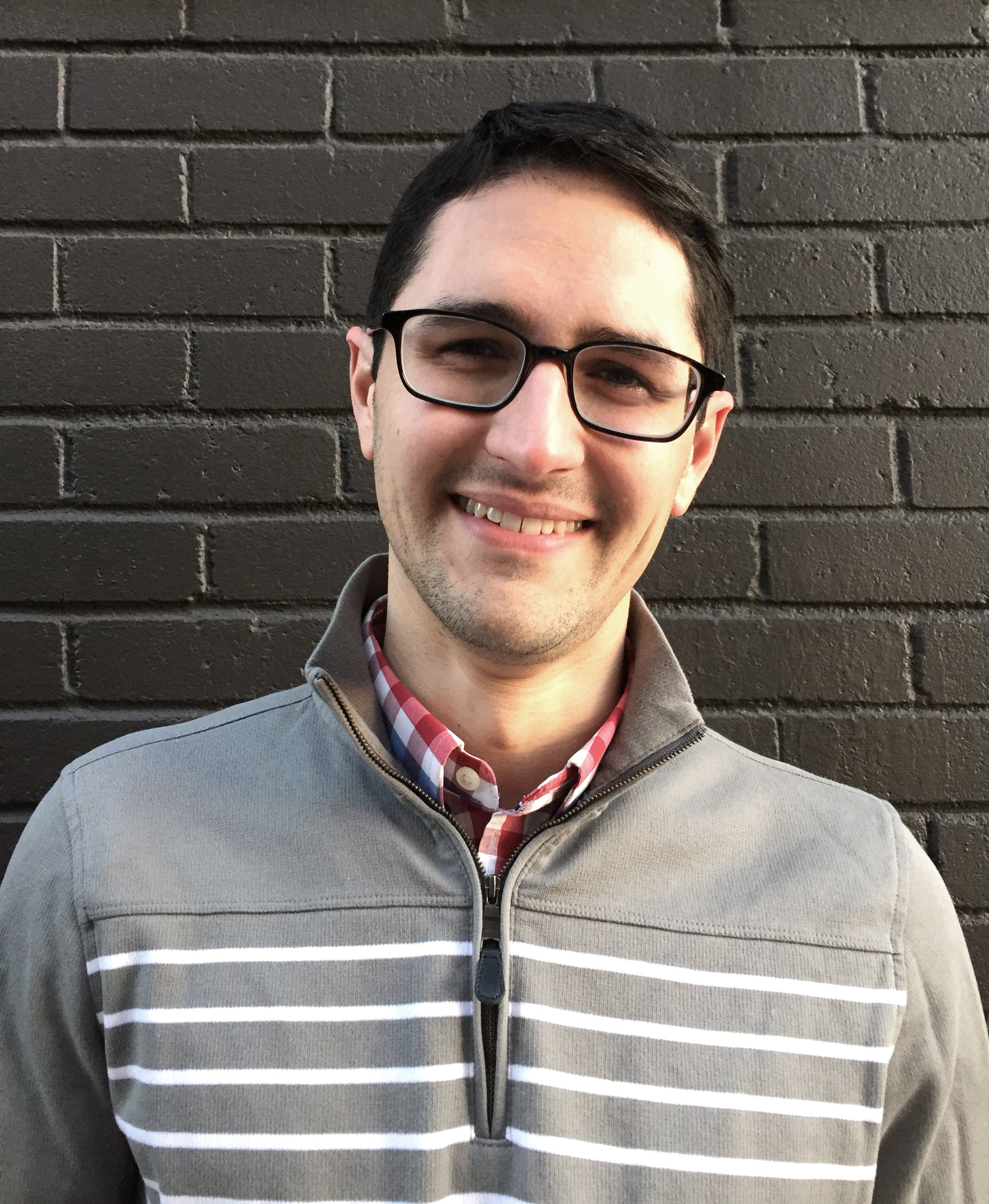
Lee M. Robert | AIA. CPHC

Bird Works is led by Lee M. Robert, a registered architect and Certified Passive House Consultant based in Boston, Massachusetts.

Lee’s work is informed by experience in design, building science, and construction. He has worked in Boston and New York and has taught design at Boston University, NYC College of Technology, Nuvu Studio, and the Boston Architectural College.

He is interested in how ideas take shape over time, particularly in the early stages of a project, when decisions carry the most weight but clarity is often hardest to find. His approach emphasizes thoughtful planning, an honest understanding of constraints, and helping clients move their ideas forward one step at a time.

Not every project ends up being built, but each is treated as an opportunity to clarify direction, test assumptions, and make more intentional choices about what comes next.